


I’ve always been curious about almost everything. I’m forever finding something that interests me and wanting to tell someone about it. A beautifully restored palazzo, an old Spanish finca with handmade tiles, a tiny boutique hotel tucked away in the old quarter of a city, a small organic producer I’ve found at a farmers’ market, an interesting piece of health research, or a small business doing something brilliantly.
It’s often the details I notice first: how the light falls in a room, beautiful hardware, old doors and worn floors, the ingredients in something I’m eating, the details a hotel gets right, or misses, or the small things that give a place its character.
For a while I thought that if I was going to create something of my own, I needed to choose one of those interests and stick to it. Travel perhaps, or interiors. But what I actually enjoy is the discovery, finding something that really interests me, becoming completely absorbed in it and then wanting to share it with everyone else.
So that’s what All I Love is about.
Each week I’ll share what I’ve found, researched, experienced or simply loved enough to pass on. All I Love will arrive on Sundays. And I thought the best way to begin was simply to show you what I mean.
Here’s where my curiosity took me this week.
ALENTEJO, PORTUGAL
Alentejo: One of Portugal’s Most Beautiful Regions

I came across the Alentejo this week while looking into villa rentals in Europe for a family getaway and ended up wanting to know much more about it. I knew of Comporta and its rice fields, long sandy beaches, thatched cabanas and beautiful whitewashed houses. What I hadn’t realised was quite how much there was beyond it.
The Alentejo covers almost a third of Portugal, stretching from the Atlantic coast towards Spain. Inland, it’s cork oaks scattered across golden fields, olive groves and vineyards, with little whitewashed villages sitting high on the hills.
There’s an extraordinary amount of history here too: prehistoric stone circles, Roman ruins, Moorish architecture and medieval towns, including the UNESCO-listed historic centre of Évora.
A favourite find
Nate Berkus and Jeremiah Brent’s restored farmhouse near the Spanish border immediately caught my attention. I ended up watching their Architectural Digest Open Door tour on Netflix with my husband Ben. It’s an 18-acre centuries-old property, and they’ve kept many of the things I love in old houses: original doors and hardware, worn plaster, old furniture and the agricultural buildings that were already there. The whole property is beautiful.
A few places that stood out
Évora, for its Roman temple, medieval streets, cathedral and rather macabre Chapel of Bones.
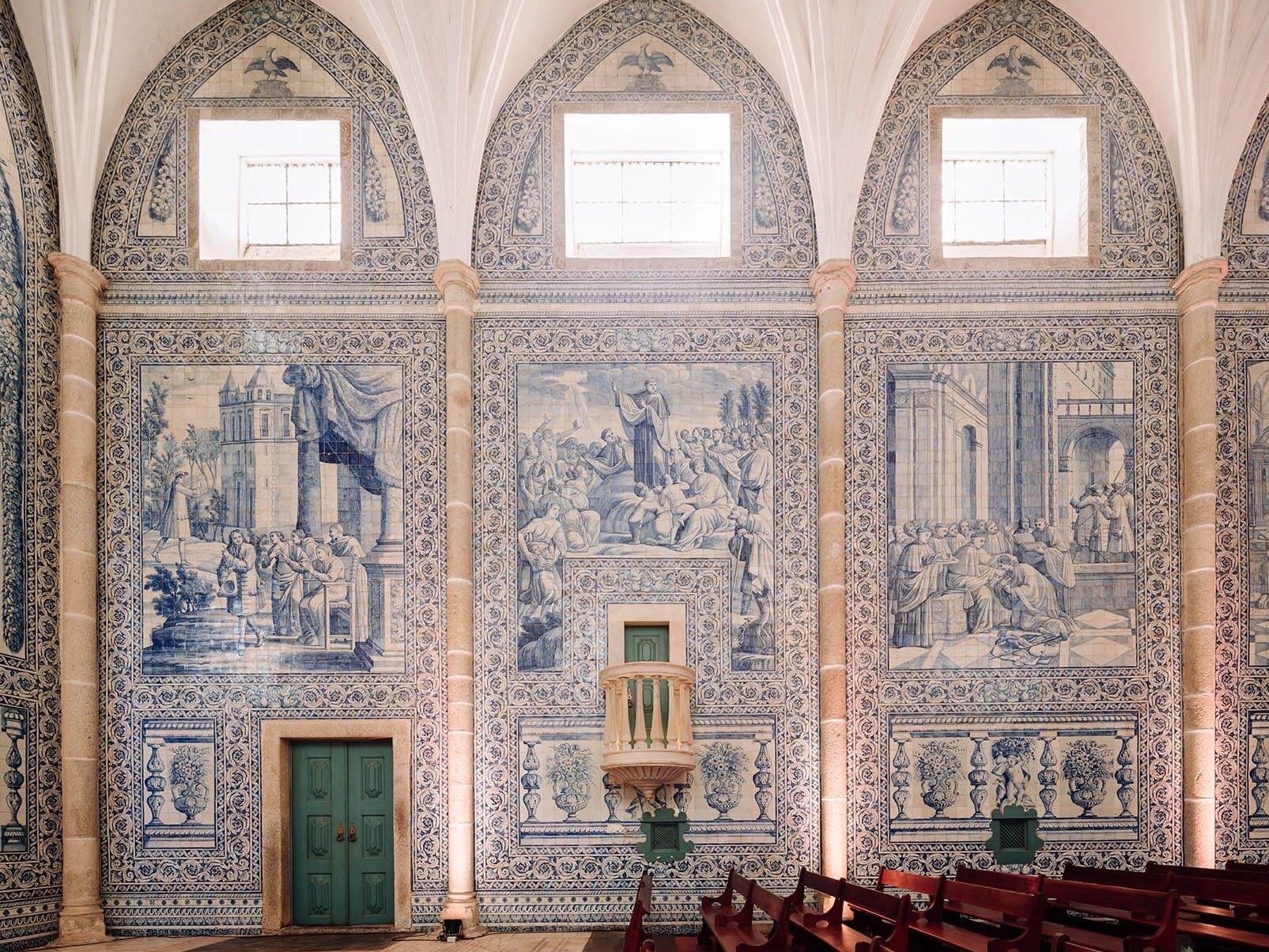
Monsaraz, a tiny medieval village enclosed within castle walls above Lake Alqueva.
Estremoz, one of Portugal’s great marble towns. Its Saturday market is one I’d want to visit for local cheeses, cured meats, pottery and antiques.
And Marvão, built high on a granite escarpment close to the Spanish border.
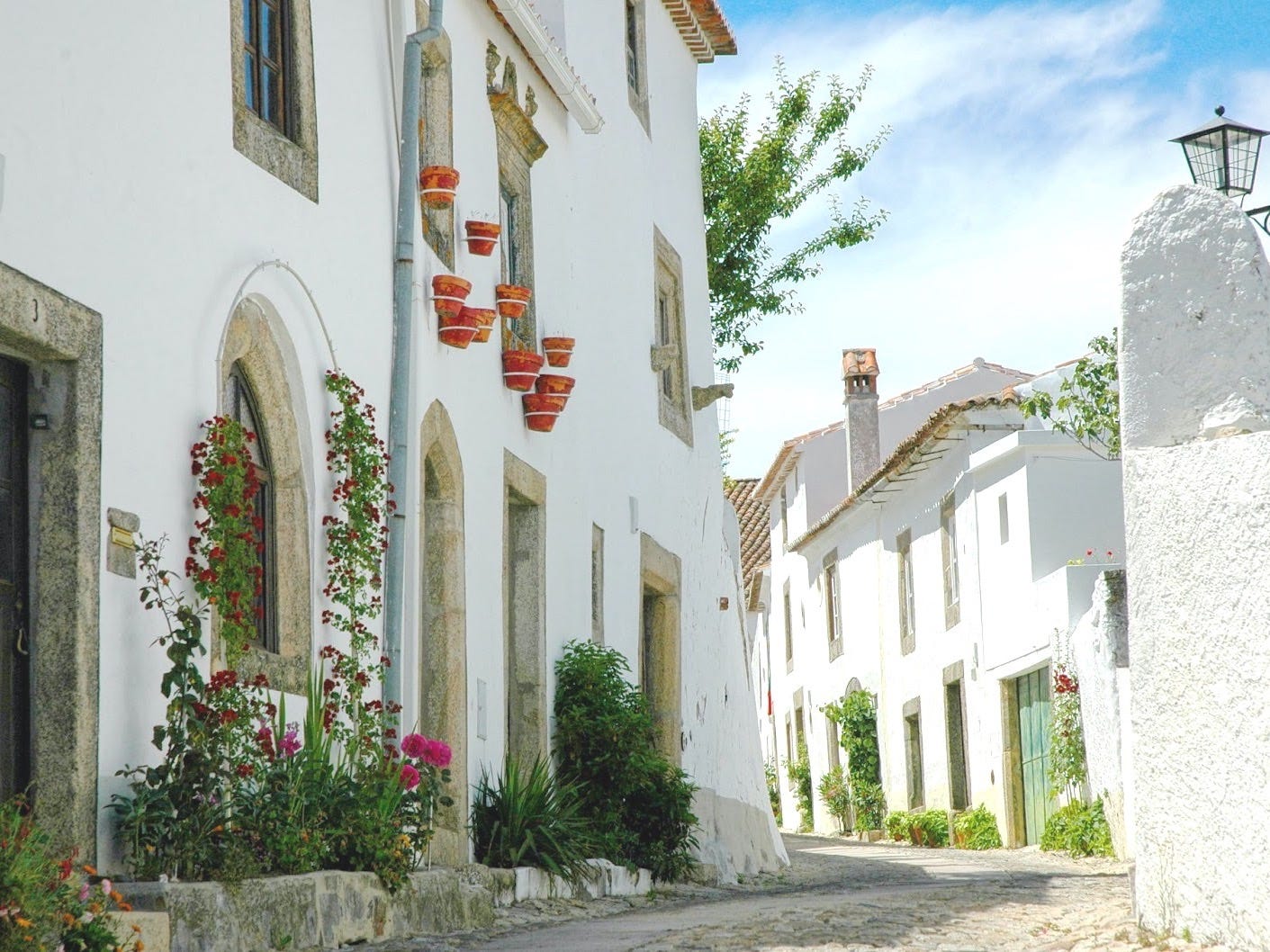
The houses
Then there are the houses around Comporta, which I’ve completely fallen for. I almost want to shout about how beautiful and effortlessly cool they are and, at the same time, keep them completely to myself. Many take their cues from the old fishermen’s cabanas, with timber, reeds, lime-rendered walls and steep thatched roofs.
But it’s the interiors I particularly love. Patterned rugs, striped and printed fabrics, wicker, carved timber, ceramics, antiques and pieces collected from all over the world.

In the 1990s, Vera Espírito Santo began building cabanas inspired by the local fishermen’s houses, mixing the raw materials of the region with Moroccan rugs, Balinese furniture and printed textiles from Peru. Her friend, interior designer Jacques Grange, later bought a house in Comporta and became closely associated with the style.
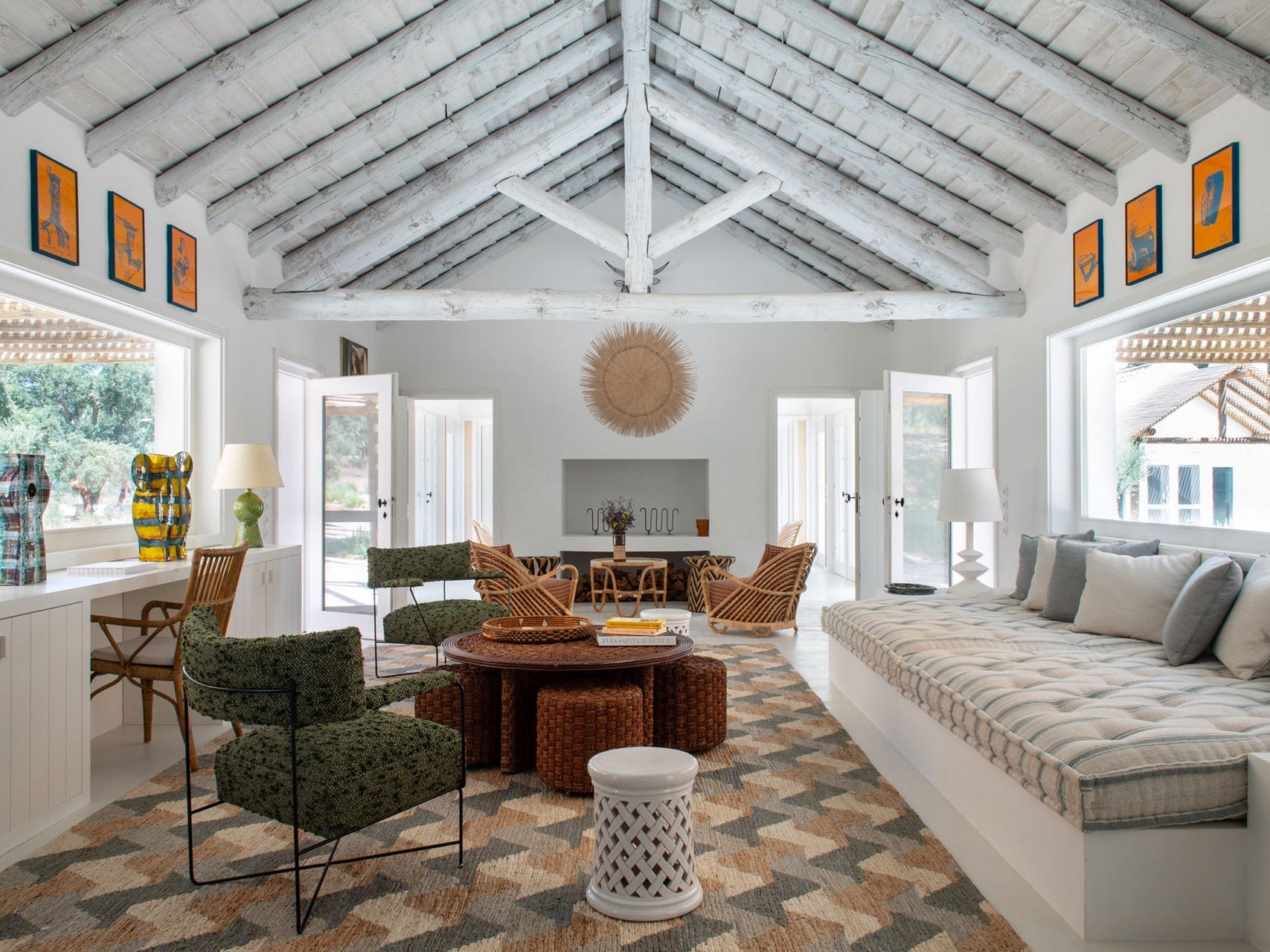
Contemporary architects have taken many of the same ideas and materials: lime plaster, local stone, rammed earth, timber and shaded courtyards. The buildings tend to sit low in the landscape, with sand underfoot and low scrubby vegetation around them. I love how little they seem to compete with what’s around them.

Near Melides, architect Manuel Aires Mateus designed RockRose, a retreat made largely from rammed earth. I love that some of the newer houses around Melides have even been built around existing cork oaks rather than clearing the trees.

The coast
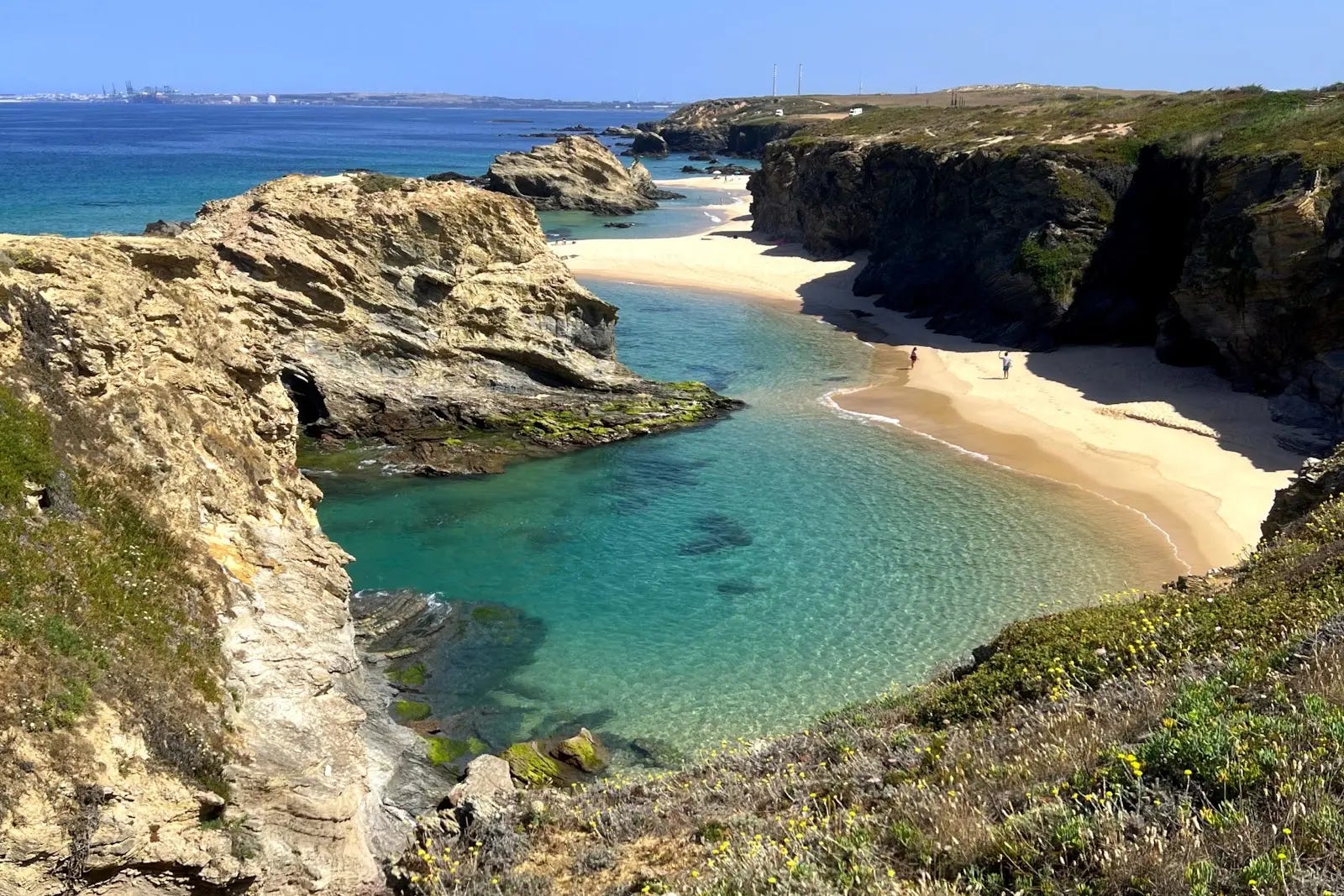
And then there’s the coast. What I hadn’t realised was just how wild so much of it still is. Huge Atlantic beaches, dunes, cliffs and little fishing villages, with surprisingly little development along much of the coastline. I hope it stays that way.
I particularly like the look of Porto Covo, a small white-and-blue fishing village. Further south are Vila Nova de Milfontes, Almograve and Zambujeira do Mar. All firmly on my list.
The food
Along the coast, the food naturally turns towards the sea: grilled fish, clams, octopus and monkfish rice. Further inland, it’s the simplicity that appeals to me. Bread, really good olive oil, garlic, coriander, pork, lamb and local cheeses. I’d particularly look out for açorda alentejana, migas, black Iberian pork and the cheeses of Serpa, Nisa and Évora.
A few restaurants on my list
A Cozinha do Paço at Fitapreta, Évora
Set within a restored 14th-century building at the Fitapreta winery, with contemporary Alentejo cooking by chef Afonso Dantas.

Cavalariça, Comporta
A former horse stable turned restaurant, with contemporary cooking built around local Alentejo produce.

Mercearia Gadanha, Estremoz
Part restaurant, part gourmet food shop. One to save for lunch after Estremoz’s Saturday market.
Mesa Comporta, Comporta
A small contemporary restaurant with creative sharing plates and local ingredients. I really like the look of this one.
Venda Azul, Estremoz
A much more informal sort of place, known for generous traditional Alentejo cooking.
The more I looked into the Alentejo, the more there was to save. But it’s the houses I keep coming back to. I’m already wondering whether I could build something inspired by them here in Australia.
Definitely one to save.
Burradoo Park Farm, Southern Highlands
Burradoo Park Farm came up while I was having coffee with my friend Simone this week. Neither of us had heard of it, and by the end of our coffee we were already talking about making a day of it. I went home wanting to know more.
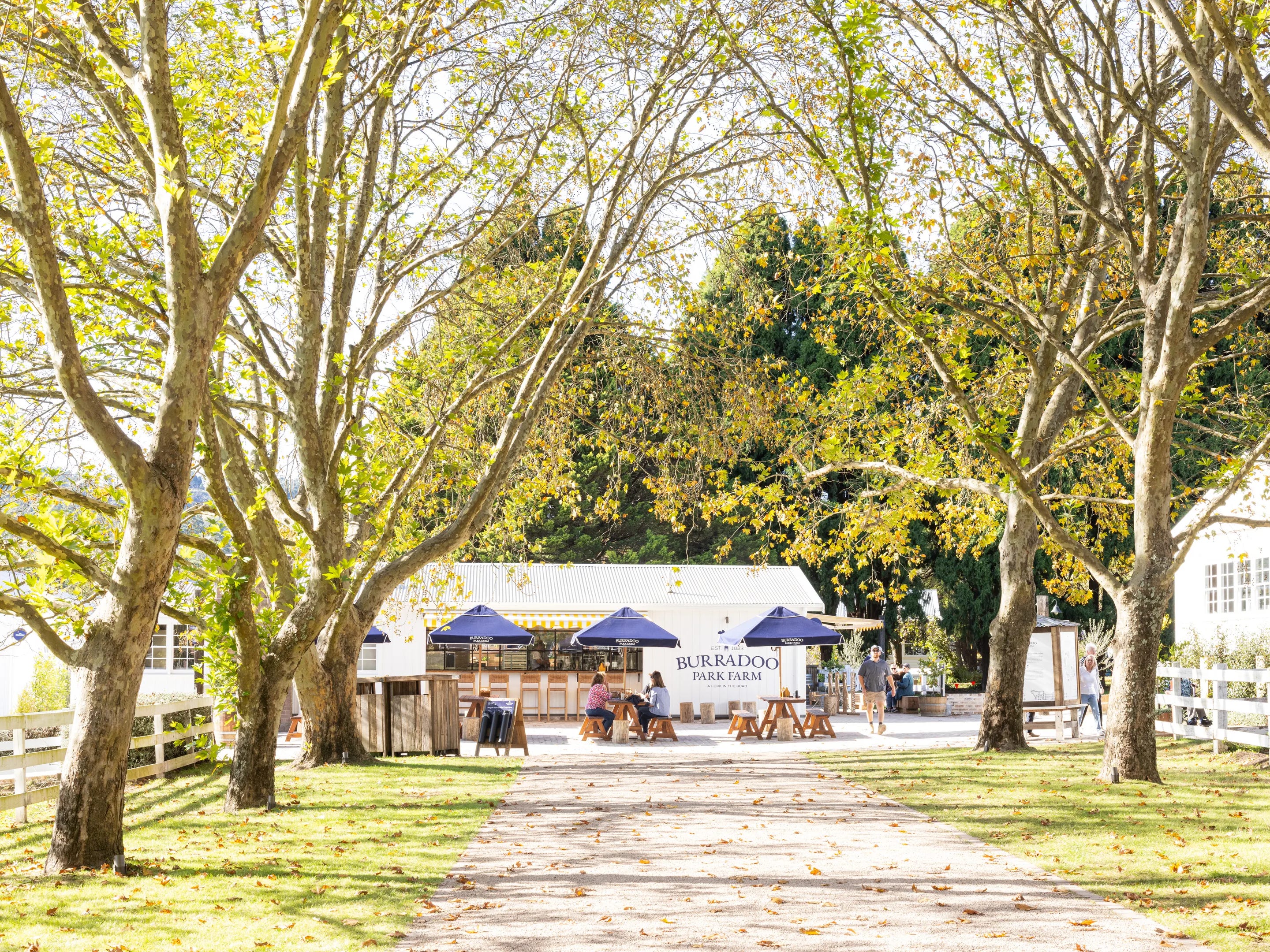
It’s a 600-acre working regenerative farm just outside Bowral in the NSW Southern Highlands, founded by Annie Cannon-Brookes. What interested me is that it isn’t just a farm. They’ve brought farming, food, hospitality and education together in one place, with grazing animals, market gardens, orchards, beehives and kitchen gardens all forming part of it.
At Burradoo they’re experimenting with soil health, water systems and diversified crops, while livestock are moved through pasture and what they grow changes with the seasons.
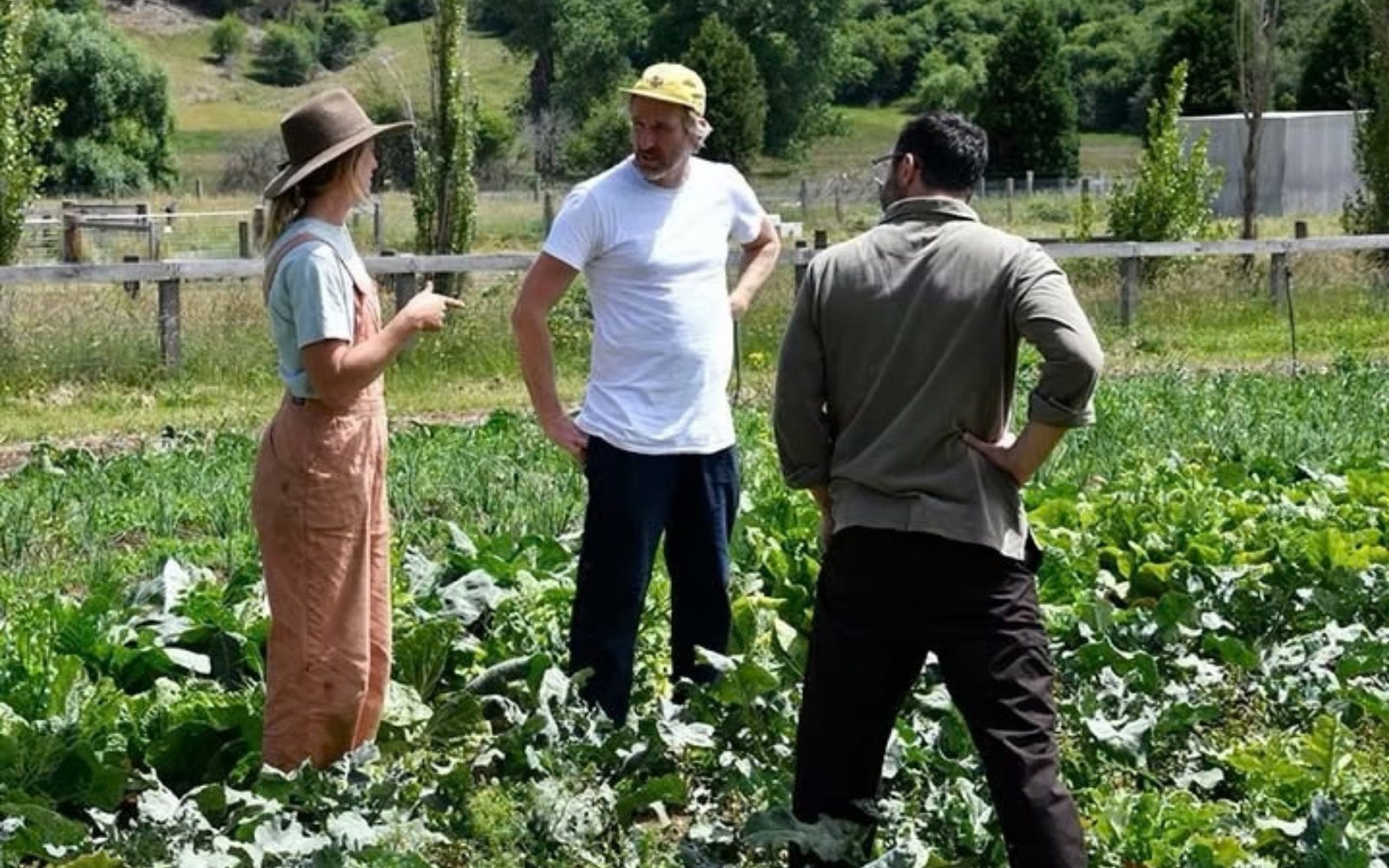
What I also like is that you can actually visit the farm and see how it all works.
Three Blue Ducks has opened a bakehouse, a casual Farmhouse café and store, and a 45-seat restaurant inside a restored farmhouse dating from 1823. The restaurant’s menu changes according to what’s growing and grazing on the farm.
There’s also a Stephanie Alexander Kitchen Garden, farm walks and tours, workshops and education programmes designed to teach children where food comes from.
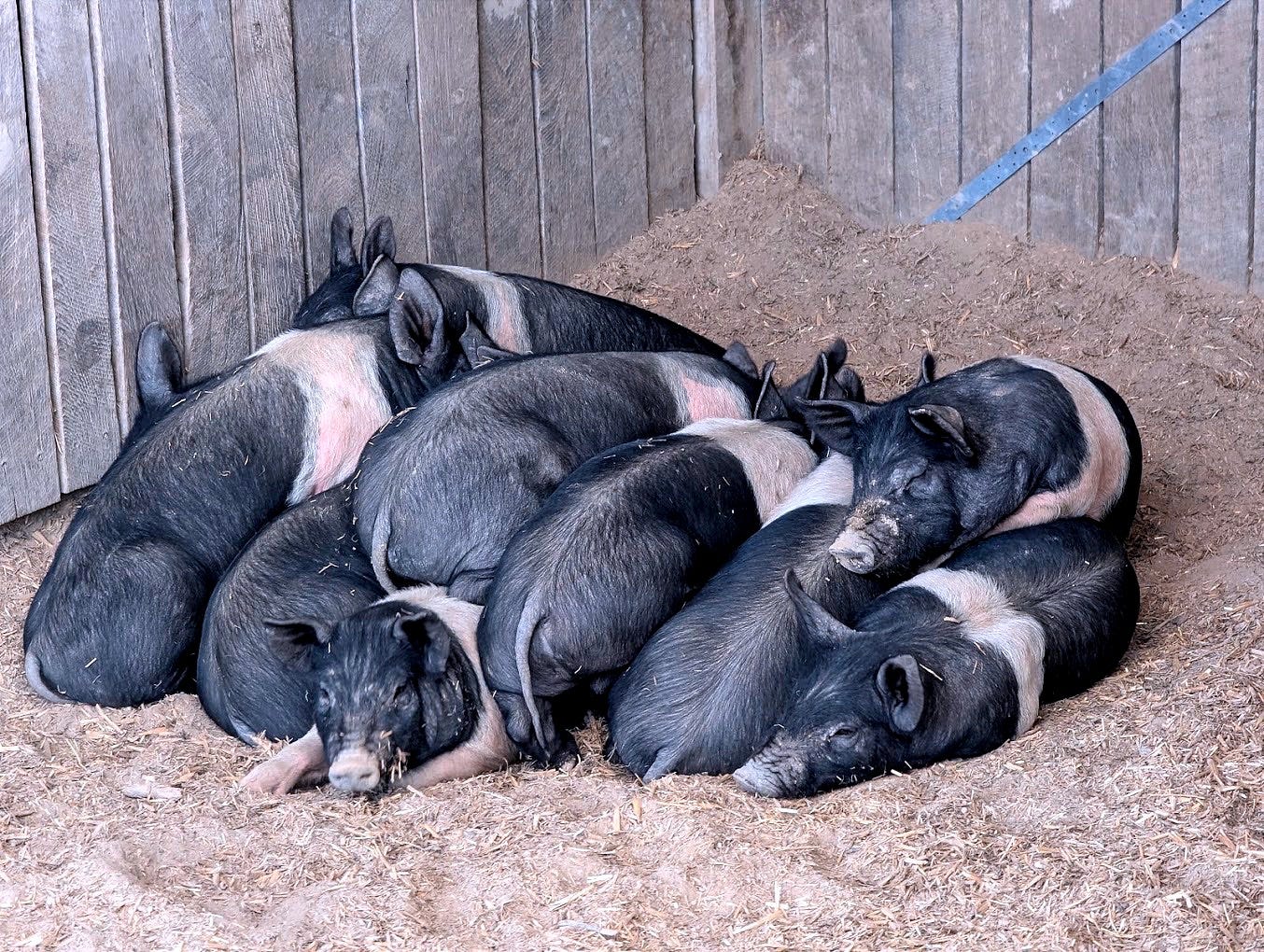
The property itself looks beautiful too with rolling paddocks, old farm buildings, kitchen gardens and glasshouses.
Burradoo Park Farm is open seven days a week, around 90 minutes from Sydney. If you’re going on a weekend or public holiday, you’ll need to book a free general admission ticket. I’d want to make a day of it: walk the farm, have lunch and come home with bread, eggs and whatever is being harvested that week.
The silk makers of Como
I’d been looking at the houses and interiors around Lake Como when I found myself reading about its silk industry. Of course, that sent me down another rabbit hole.
I knew the lake for its villas, gardens and beautiful old hotels, but had no idea quite how important silk was to the region.
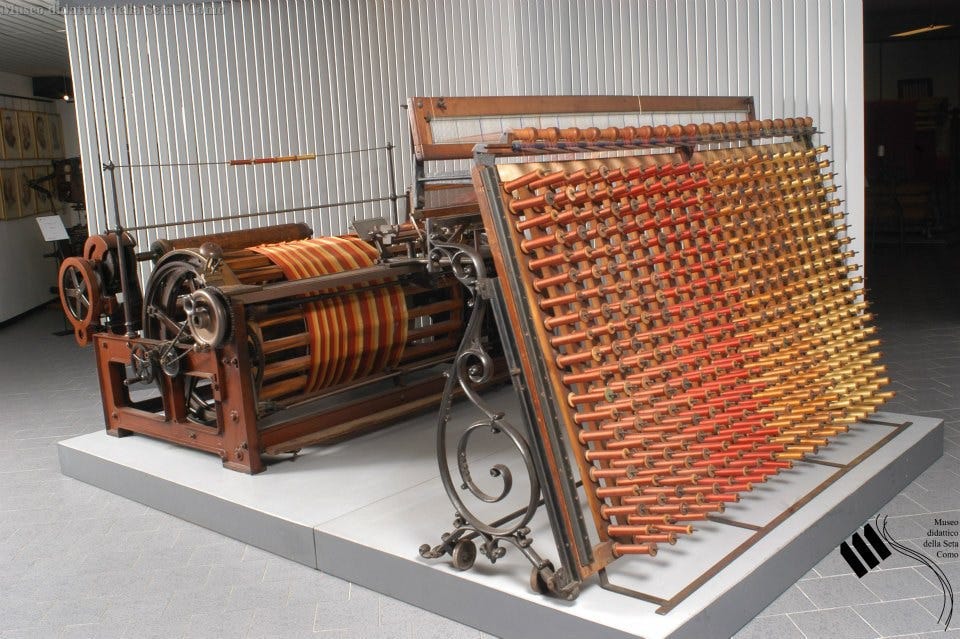
Silk production around Como dates back to the 15th century, when mulberry trees were planted across the area to feed silkworms. The industry grew dramatically over the following centuries. By 1840, an extraordinary 93 per cent of cultivated land around Como was reportedly planted with mulberry trees, and by the mid-19th century the area had developed into one of Europe’s great centres of silk production.
The silkworms are largely gone now, but the silk industry and the skills built around it remain. Como continues to be an important centre for designing, weaving, dyeing, printing and finishing luxury textiles, with specialist manufacturers producing fabrics and accessories for some of the world’s leading fashion houses.
One small silk maker I stumbled across is Ghini Como, a family-run business creating its scarves entirely around Lake Como.

There’s something quite timeless about a silk scarf. Hollywood helped turn it into a fashion staple in the 1920s and ’30s, before women including Grace Kelly, Jacqueline Kennedy and Brigitte Bardot made them part of their everyday wardrobes. Almost a century later, they’re having another moment, with Bella Hadid, Dua Lipa and Kendall Jenner bringing headscarves and neck knots back into fashion.

And if you’re ever in Como, there’s a whole museum devoted to it. The Museo della Seta follows silk from the silkworm through weaving, dyeing and printing, using machinery and tools rescued from the city’s old factories.
I love that there’s this whole other side to Lake Como behind the villas and the lake, with an industry built over centuries that is still making beautiful things today.
I could keep going, but I’ll save the rest for next week.
Have a lovely Sunday.

A note on links: Everything featured in All I Love is here because I genuinely wanted to share it. I research and choose what I include independently; nothing is selected because it has an affiliate programme. Some links, not all, may be affiliate links, which means I may receive a small commission if you buy something through them, at no extra cost to you.